
To prepare your yard for a Utah winter, winterize your sprinklers before the first freeze, finish seasonal lawn care, and clear heavy leaf buildup. Check soil moisture around trees and shrubs, protect vulnerable plants, and inspect drainage areas before snow arrives. Start in early fall, then adjust your schedule to local temperatures and elevation.
Utah winter yard preparation starts before the snow
Utah’s first freezing temperatures often arrive while homeowners are still mowing their lawns and keeping up with regular yard work. By the time snow starts falling, you may have already missed the opportunity to finish some important fall maintenance.
While you’re handling fall yard cleanup, take a look at your sprinkler system and any areas where water tends to collect. Addressing these issues before the ground freezes will save you some trouble when spring arrives.
When should you start preparing your Utah yard?
September works well for evaluating thin grass and compacted soil. October brings sprinkler shutdowns and regular leaf cleanup. Some lawns benefit from late-fall fertilizer.
Freezing temperatures often arrive earlier in Utah’s foothill neighborhoods than in the valleys. Keep an eye on the forecast and make sure you winterize your sprinklers before the first hard freeze.
1. Winterize your sprinkler system before freezing weather
Water expands when it freezes. If it remains inside irrigation pipes, valves, or sprinkler heads, that expansion may crack components and leave you with repairs in the spring.
Locate your irrigation shutoff and identify how the system drains. Sprinkler system winterization involves draining water from components that could be damaged by freezing temperatures. A controller shutdown alone doesn’t complete that job.
A few things deserve attention:
- Sprinkler lines: Determine whether your system uses drains or requires a professional blowout.
- Valves and backflow devices: Follow the system’s shutdown instructions to prevent trapped water from damaging them.
- Drip irrigation: Check the manufacturer’s winter draining requirements.
- Secondary water: Don’t assume your provider’s seasonal shutoff empties the pipes on your property.
If you aren’t familiar with the equipment, schedule professional sprinkler winterizing instead of experimenting with compressed air. Excessive pressure may damage the system. Finish by disconnecting garden hoses and draining outdoor attachments.
2. How to prepare your lawn for winter in Utah
Cool-season grasses grow well during Utah’s milder fall weather, making autumn a useful time to address lawn problems. Still, not every yard needs fertilizer, aeration, and new seed each year.
Good winter lawn preparation starts with your lawn’s current condition:
- Keep mowing: Continue as long as the lawn grows. Gradually bring the final cut to about 1½ to 2 inches without removing too much at once.
- Check fertilizer needs: A late-fall nitrogen application often benefits cool-season grass. Don’t add phosphorus or potassium without a reason.
- Aerate if needed: Core aeration helps compacted lawns, especially areas with heavy foot traffic.
- Overseed early: Give new grass enough time to establish before the soil gets cold.
Utah’s cool-season lawns often benefit from late-fall fertilization, while aeration and overseeding work best earlier in the season. Before scheduling any treatments, consider your lawn’s condition and which areas actually need attention.
3. Remove excess leaves and prepare planting beds
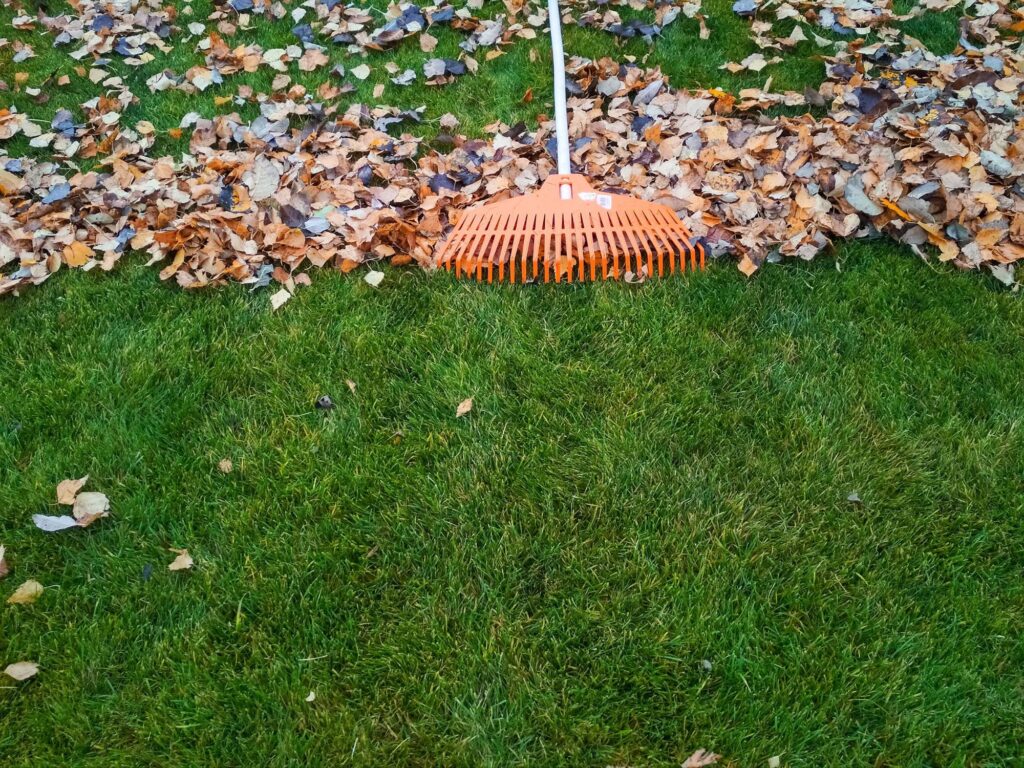
Clear fallen leaves from your lawn throughout the fall, especially when they start piling up. Heavy leaf coverage holds moisture against the grass and increases the risk of lawn disease. If you only have a few leaves scattered around, run over them with your mower to break them into smaller pieces.
Walk through your planting beds next. Remove diseased growth and spent annuals. Clear fallen fruit before it attracts pests. Leave some healthy perennial stems for winter habitat if appropriate.
Refresh mulch around sensitive plants where needed, but keep it away from stems and trunks.
4. Check trees and shrubs before the ground freezes
A dry Utah fall may leave trees short on moisture even when the weather feels cool. Check the soil near recently planted trees and evergreens, then water deeply if it feels dry and the ground hasn’t frozen.
Mulch helps moderate soil temperatures and limit moisture loss. Spread it over the root area without piling it against the trunk. Wrap vulnerable young trunks against winter sun damage, then remove the wrap in spring.
Avoid heavy fall pruning and save routine trimming for a better time of year. Remove hazardous branches as needed. During extended dry spells, trees and shrubs may need supplemental winter watering to prevent moisture stress and root damage.
5. Inspect drainage and put outdoor features away
Before snow accumulates, look for places where rainwater already collects. Clear leaves from drains and channels, especially near walkways and the foundation. Snowmelt may follow those routes, creating icy patches.
Check the rest of the property, too:
- Drain fountains or other water features according to their equipment instructions.
- Store hoses and seasonal gardening tools.
- Move fragile planters somewhere protected.
- Keep snow storage areas away from delicate shrubs.
Use deicing salts carefully near planting beds. Salt runoff may harm plants and soil.
6. What if the first freeze arrives before you’re ready?
If freezing temperatures arrive before you’ve finished preparing your yard, check your sprinkler system and exposed water connections first. If you think water has frozen inside the lines, leave the system off and have a professional inspect it for damage.
Wait for suitable conditions before watering plants or working wet, frozen soil. Skip last-minute aeration or overseeding when the grass no longer has enough growing time to recover. Prioritize preventing damage over finishing every fall project.
Common winter yard preparation mistakes
Homeowners often create extra work for spring by overlooking a few basics:
- Assuming a secondary water shutoff replaces sprinkler system winterization
- Cutting grass extremely short in one mowing
- Fertilizing without considering the lawn’s condition
- Ignoring dry soil around recently planted trees
- Leaving heavy leaf piles or blocked drains untouched
A sensible winter lawn preparation routine addresses what your property actually needs rather than following every tip on a generic checklist.
Frequently asked questions
When should I winterize my sprinklers in Utah?
Schedule your sprinkler winterization before the first hard freeze. October usually works well for Northern Utah homeowners, though higher-elevation properties may need service earlier.
Do secondary water systems still need a blowout?
Often, yes. Your provider may stop supplying water without emptying your private lines. Check the system design and arrange appropriate drainage or a professional blowout.
When should I stop watering my lawn in Utah?
Reduce watering as temperatures cool and rainfall increases. Watch soil conditions and local forecasts rather than continuing your summer schedule until a fixed calendar date.
How do you prepare your lawn for winter after a hot summer?
Good winter lawn preparation starts with checking thin or dry patches before fertilizing. Keep mowing while grass grows, and consider aeration only if compaction affects the soil. Avoid guessing at the cause of brown spots.
How short should I mow before winter?
For many cool-season Utah lawns, aim for a final height near 1½ to 2 inches. Lower the height gradually so you don’t scalp the grass.
Should I water trees during a dry Utah winter?
Yes, sometimes. Check the soil around evergreens and newer trees. When the ground isn’t frozen, and natural moisture falls short, water deeply during suitable weather.
What if my sprinklers froze before winterization?
Leave the system off until a qualified irrigation professional assesses it. Frozen water can damage components, and leaks may not appear until you restart the system.
Do I need to remove every leaf from my lawn?
No. Mulch a thin layer with your mower when the pieces settle between grass blades. Remove heavier buildup that covers and shades the turf.

Get your yard ready with All Seasons Landscaping
You don’t have to tackle every yard project before the first snowfall. Start with sprinkler system winterization, then prepare your lawn for winter based on its condition. Finish with cleanup and a look at trees and drainage areas.
If your property needs seasonal maintenance or sprinkler service, contact All Seasons Landscaping for a free estimate. We’ll help you decide what needs attention before colder weather arrives.